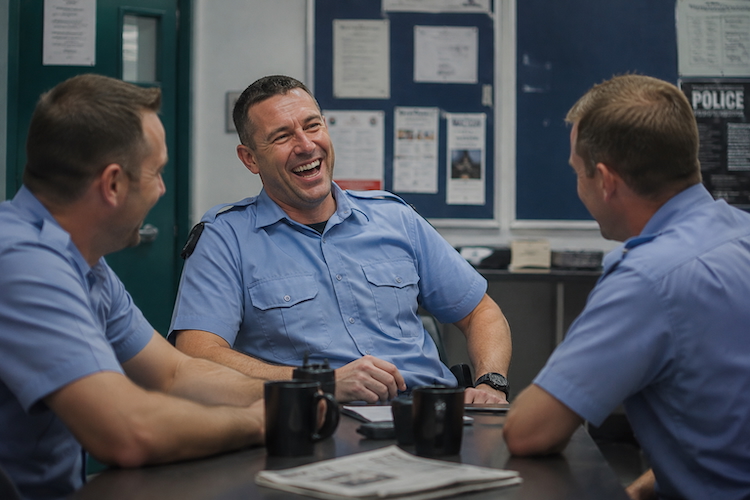
Socialising Off Duty
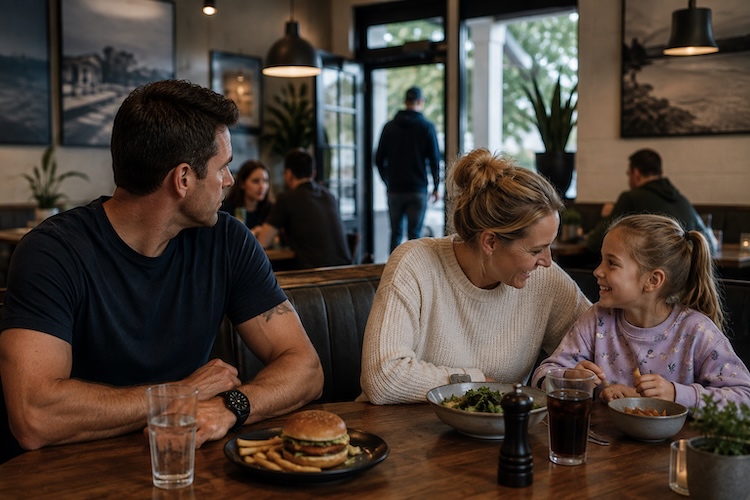
Being off duty does not always mean being experienced by other people as off duty.



Being off duty does not always mean being experienced by other people as off duty.
Why some police feel more confident in uniform, and what this can teach us about confidence outside the role.
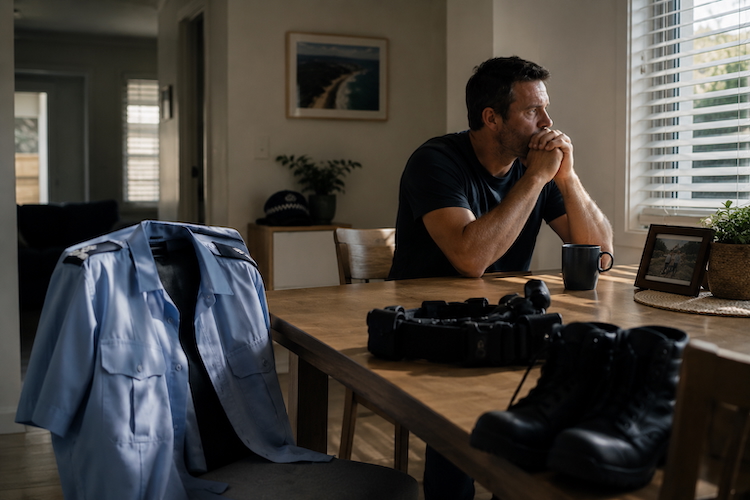
When first responder work mode follows you home, vigilance, emotional control and other strengths can begin to carry a cost.
What happens when an officer gives a great deal to an organisation but no longer feels seen by it?
Police resilience is shaped not only by the officer, but also by the people and relationships surrounding them.
Police work requires clear rules, but real situations rarely arrive with clear answers.
After years of policing, calm can feel surprisingly unfamiliar when your attention has learned to expect what comes next.
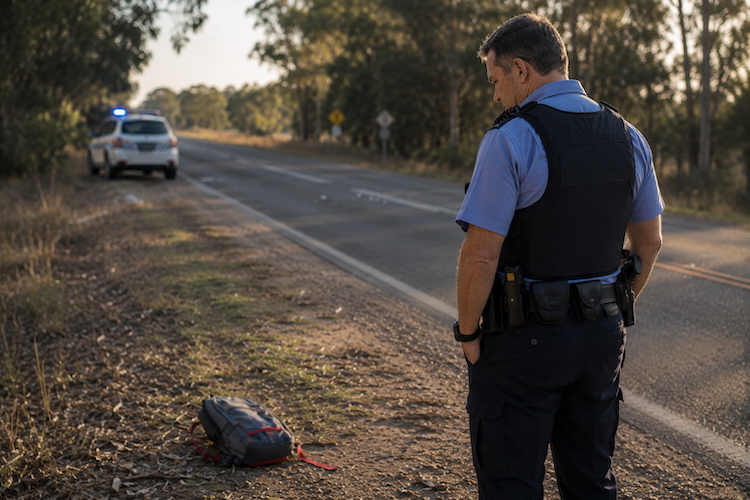
Police often dismiss their reactions with “I’ve seen worse.” But the worst job isn’t always the one that stays with you.
When hard-earned scepticism becomes a worldview, cynicism can start to feel less like pessimism and more like realism.
For some first responders, the shift ends but the scanning continues. Learn why vigilance can follow you home.
Being stood down can disrupt routine, identity, belonging and purpose, often while the future remains uncertain.
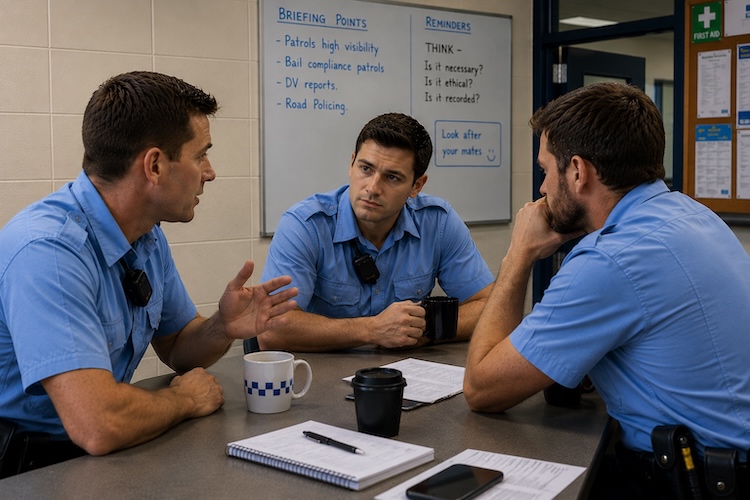
Dark humour is part of police culture, but what does it actually do? It can build connection and relieve tension, while sometimes becoming a way of avoiding what the job is doing to you.